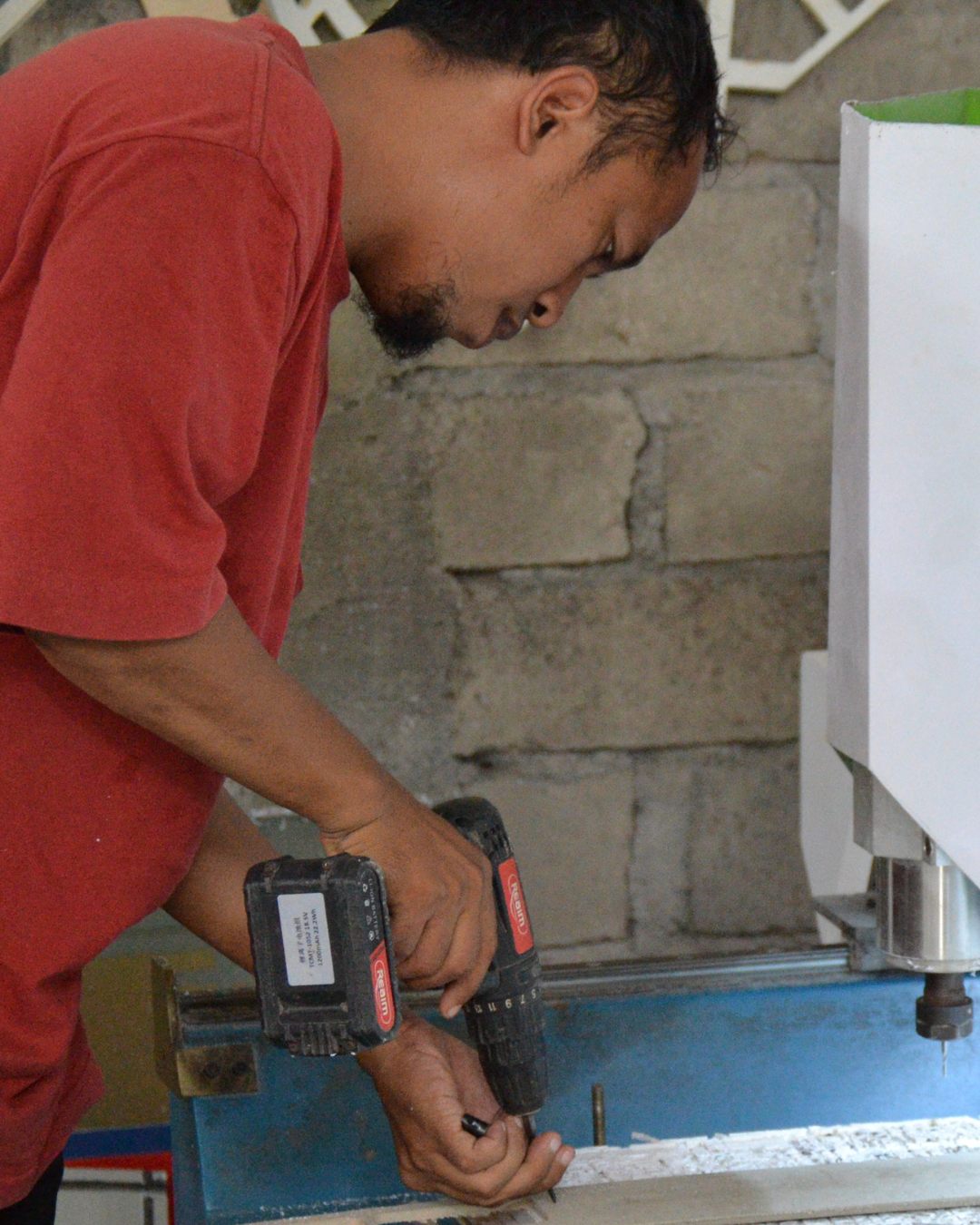
Tusha is a micro enterprise operating in Indonesia, founded on the conviction that discarded waste can be transformed into a valuable source of livelihood and a sustainable solution.

The name Tusha originates from the Sanskrit word Tuṣa (तुष), meaning “rice husk” (sekam
padi). This name embodies our core story: transforming residual materials into something
durable, beautiful, and meaningful.
We began in 2025 , driven by increasing market demand for environmentally responsible
products across the hospitality sector (HORECA).
Tusha is a micro enterprise operating in Indonesia, founded on the conviction that discarded waste can be transformed into a valuable source of livelihood and a sustainable solution.
To transform locally sourced waste streams—specifically rice husk and plastic waste—into high-quality, durable, and sustainable amenity products for HORECA businesses. We do this while supporting the livelihood and cultural heritage of local Indonesian craftspeople and farmers, fostering harmony with nature.
To advance circularity within the tourism industry. We aim to help build a fully circular tourism ecosystem in Indonesia and Southeast Asia, proving that exceptional design and sustainability are inseparable. We embody the idea: “Not nature lost, but nature revived”.
This project is an outcome of the Lombok Eco-craft Consortium, bringing together specialized expertise in circular material science, community empowerment, and product development.
A Non-Profit Organization focused on empowering youth to achieve sustainable tourism. The foundation ensures the project’s deep social and community impact.
A business entity focused on developing creative products from waste. Timba translates the recycled materials into compelling designs.
Officially established in 2025 as a micro-enterprise under CV. Lombok Eco Kriya. Governance oversight led by the Wise Steps Foundation and Planawood to ensure strict ESG compliance.
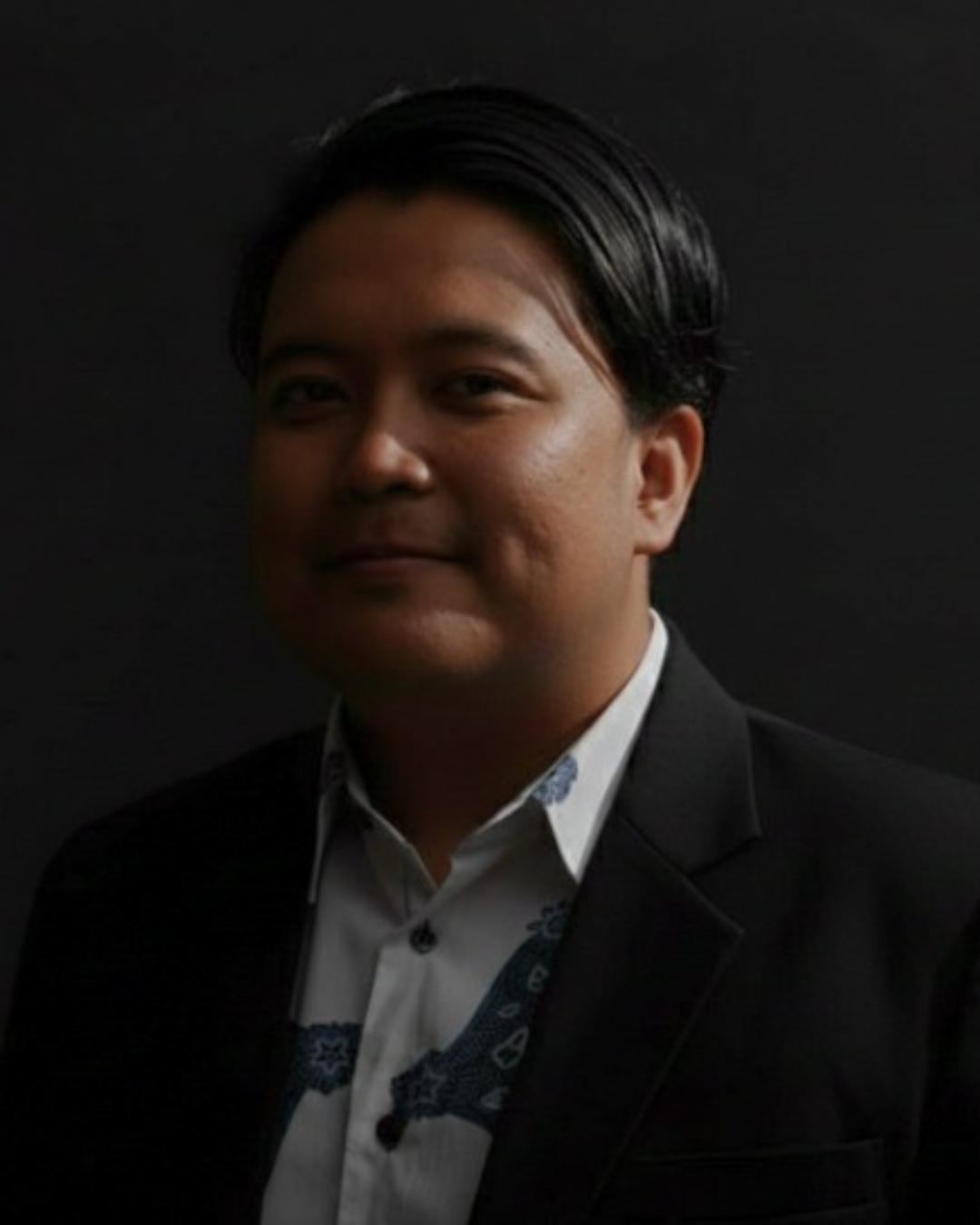
Marketing and Sales Representative
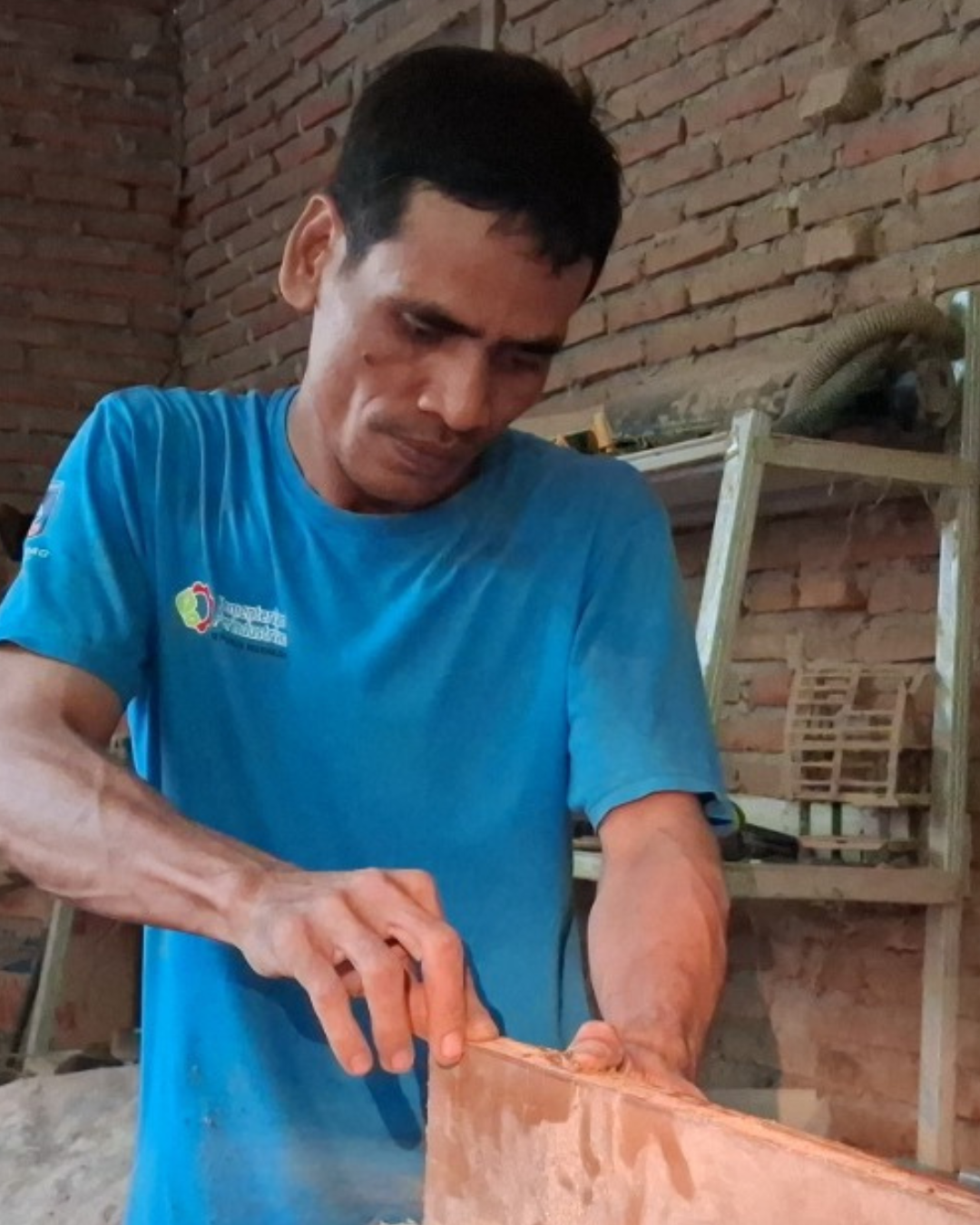
Handcraftsman – Surya Mandiri
Sustainability is embedded in Tusha’s governance. Oversight is led directly by the director and owners, ensuring that environmental and social considerations guide daily decisions, production routines, and long-term planning.
Our business model already delivers environmental benefits, such as waste reduction through circular production. We are actively working to formalize our systems to enhance transparency and credibility:
We are committed to continuous improvement, ensuring our growth is responsible, measurable, and aligns with the highest expectations of our regional and international partners.